
當無盡的喵叫不再是撒嬌:20年老僕解密貓咪過度發聲的無聲求救與2026心流溝通新哲學
When Endless Meows Are No Longer Coquetry: A 20-Year Cat Servant Deciphers the Silent Plea of Feline Excessive Vocalization and the 2026 Flow-State Communication New Philosophy
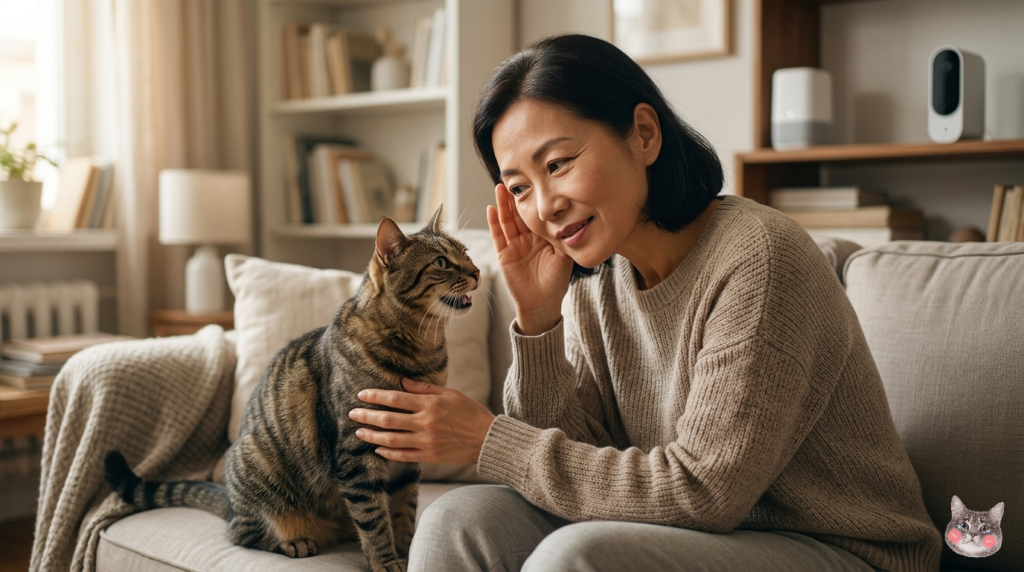
清晨,破曉的微光溫柔地透過窗簾縫隙,灑落在深色木質地板上,繪出斑駁的光影。我從淺眠中緩緩睜開眼,耳朵裡卻不是預期的寧靜,而是連綿不絕、帶著一絲焦躁的貓叫聲。牠不是我的「小橘」,那隻總是安靜地依偎在我身旁,偶爾輕聲呼嚕的溫順貓咪。這聲音來自沙發旁的貓抓柱上,我的老搭檔「米糕」,牠弓著背,尾巴末端輕微顫動,金色的眼睛裡閃爍著一種我從未見過的執著與不安。那不是尋常的「我要吃飯」或是「來摸摸」的撒嬌,而是一聲聲,彷彿在叩問著什麼、尋求著什麼的急切呼喚。
我輕聲喚牠的名字,牠卻只是側過頭,持續那無止盡的喵叫。走近,蹲下,試圖與牠眼神交會,牠的瞳孔微張,沒有平時那種慵懶的信任,反而透出一絲疏離與困惑。牠的呼吸平穩,毛髮光潔,體態也未見異樣,但這連續數週、日夜不分的過度發聲,已然成了家中一道無法忽視的頻率。從深夜的寂靜到白日的喧囂,米糕的「貓言貓語」幾乎無所不在,有時是短促的連珠炮,有時是拖長音的哀訴,更多時候是沒有任何指向的空靈迴盪。牠似乎總在尋找什麼,又或是試圖表達什麼,卻被無形的牆壁阻隔。作為一名與貓咪共處二十載的老僕,我深知,每一聲貓叫背後都藏著牠們獨有的宇宙。而當這份「對話」變得如此單一且重複,那不只是需要被「制止」的噪音,更是一個心靈深處的「求救訊號」。我伸出手,輕輕撫摸牠耳後的絨毛,感受著牠身體微小的震顫,那一刻,我明白,我的米糕,正在用牠唯一能用的方式,向我訴說著一個無聲的困境,而我的任務,就是解讀這份只有貓僕才能聽懂的「天機」。
The first light of dawn, soft and tentative, filtered through the blinds, painting mottled patterns on the dark wooden floor. I slowly opened my eyes from a light sleep, but instead of the anticipated quiet, an incessant, slightly anxious meow filled the air. It wasn’t my “Little Orange,” the docile cat who always nestled quietly beside me, purring softly. This sound came from the scratching post by the sofa, from my old companion, “Mickey.” He was arching his back, the tip of his tail quivering slightly, his golden eyes flickering with a persistence and unease I had never seen before. This wasn’t the usual “I want food” or “pet me” type of coaxing; it was a series of urgent calls, as if questioning something, seeking something.
I softly called his name, but he only turned his head, continuing his endless meowing. I approached, squatted down, and tried to meet his gaze. His pupils were slightly dilated, lacking the usual languid trust, instead revealing a hint of aloofness and confusion. His breathing was steady, fur sleek, and physical condition appeared normal, yet this constant, day-and-night excessive vocalization, spanning several weeks, had become an undeniable frequency in our home. From the dead of night to the daytime bustle, Mickey’s “cat-talk” was almost omnipresent—sometimes a rapid-fire volley of short meows, sometimes a drawn-out, mournful plea, and more often, an ethereal echo with no apparent target. He seemed to always be searching for something, or trying to express something, yet was blocked by an invisible wall. As a twenty-year veteran cat servant, I know that behind every meow lies a unique feline universe. And when this “dialogue” becomes so monotonous and repetitive, it’s not just “noise to be stopped,” but a deep-seated “distress signal.” I reached out, gently stroking the downy fur behind his ear, feeling the tiny tremors in his body. In that moment, I understood: my Mickey was using the only means available to him to tell me about a silent predicament, and my mission was to decipher this “heavenly secret” that only a cat servant could understand.
【深度行為解碼】
一旦排除生理因素,我們便需要深入探討環境與心理層面。貓咪是領域性動物,對環境變化極為敏感。搬家、家中成員增減、家具重新擺放,甚至日常作息的微小調整,都可能打破牠們固有的「心流狀態」,導致壓力與不安,進而以過度發聲來表達焦慮或尋求關注。這類型的喵叫往往帶有重複性、指向性不強,且在主人回應後會短暫停止,但很快又會恢復。此外,分離焦慮也是常見原因,當貓咪過度依賴飼主,獨處時會因恐懼而持續發聲。而最容易被忽略的,是「無聊」與「需求被忽視」。室內貓在缺乏足夠的環境刺激與狩獵行為替代時,可能透過無謂的喵叫來表達內心的空虛與挫折。牠們試圖引起注意,或是單純宣洩無處安放的精力。2026年的貓咪心理學趨勢,更強調「心流共存」的概念,認為貓咪需要一個能讓牠們沉浸其中、滿足天性的環境,當這個環境被破壞,發聲便是牠們重塑平衡的一種本能。
From a behavioral perspective, excessive feline vocalization is by no means a singular phenomenon but rather the tip of an iceberg of deeper needs or underlying issues. Unlike humans, cats primarily communicate through body language, scent marking, and vocalizations. When this vocal frequency abnormally increases, the first priority is to rule out physiological discomfort. This is especially true for older cats; pain (such as arthritis, dental pain), hyperthyroidism, high blood pressure, kidney disease, or feline cognitive dysfunction (FCD, commonly known as feline dementia) can all cause confusion, disorientation, and subsequently lead to incessant meowing as a plea for help or orientation. Endocrine disorders, like hyperthyroidism, can make cats feel anxious, hungry, or even cause cardiac arrhythmias, and these physiological sensations are often translated into vocal expressions.
Once physiological factors are ruled out, we need to delve into environmental and psychological aspects. Cats are territorial animals, extremely sensitive to environmental changes. Moving, changes in household members, rearranged furniture, or even minor adjustments to daily routines can disrupt their inherent “flow state,” leading to stress and unease, which they then express through excessive vocalization as anxiety or a bid for attention. This type of meowing is often repetitive, less targeted, and may briefly cease after the owner responds, only to resume quickly. Furthermore, separation anxiety is a common cause; when cats are overly dependent on their owners, they may vocalize persistently due to fear when left alone. The most easily overlooked reasons are “boredom” and “neglected needs.” Indoor cats, lacking sufficient environmental stimulation and alternatives for hunting behaviors, may express their inner emptiness and frustration through aimless meowing. They are trying to attract attention or simply vent pent-up energy. The 2026 trend in feline psychology further emphasizes the concept of “flow-state coexistence,” proposing that cats need an environment where they can immerse themselves and satisfy their natural instincts. When this environment is disrupted, vocalization becomes their innate way of re-establishing balance.
【貓奴實戰心法】
1. **規律作息與預期性:** 貓咪是作息規律的生物,固定的餵食時間、遊戲時間和睡覺時間能建立安全感。避免突然的變動,如果必須改變,請逐步進行。特別是在牠叫的時候不要立刻回應牠,而是等到牠安靜下來幾秒後再給予關注或獎勵,逐步訓練牠理解「安靜」會帶來回報。
2. **豐富環境:** 提供充足的垂直空間(貓樹、高架層板)、多樣的玩具(會動的、藏食的)、定時的互動遊戲(每日至少兩次,每次10-15分鐘,模擬狩獵過程)。2026年的趨勢是引入「互動式智能玩具」[AFFILIATE_LINK],結合雷射光束、自動滾動,甚至遠端投食功能,在主人不在家時也能提供貓咪足夠的刺激,避免無聊。
3. **嗅覺安撫:** 利用費洛蒙擴散器(如Feliway Classic),模擬貓咪面部費洛蒙,傳遞安心訊號。在貓咪常待的區域或牠容易焦慮的環境中放置,幫助牠放鬆。
4. **耐心回應與忽視:** 如果貓咪的叫聲是為了引起注意,請學會區分。當牠的叫聲不是生理需求(飢餓、上廁所)時,短期內選擇忽視,待牠停止發聲後再給予回應。這個過程需要極大的耐心,因為一開始貓咪可能會叫得更兇,這是牠們在測試你的底線。但只要堅持下去,牠們會學到「安靜」才是獲得關注的方式。
5. **考慮貓咪友善空間:** 檢視家中的貓砂盆數量(建議貓咪數量+1)、擺放位置、清潔頻率,確保其舒適度。提供私密且安全的躲藏處,讓貓咪有隨時可以退回的「安全堡壘」。
In addressing a cat’s excessive vocalization, my 20 years of experience tell me that the first step is always “patience” and “observation.” First, take your cat for a comprehensive veterinary check-up to rule out all potential physiological ailments. Provide the veterinarian with detailed information on the frequency, timing, and accompanying behaviors of the vocalization (such as changes in appetite, water intake, elimination, and activity level); this thorough data is crucial for diagnosis. Once health is confirmed, we must begin to create a “flow-state calming environment” to help the cat regain its inner peace.
1. **Routine and Predictability:** Cats are creatures of habit. Fixed feeding times, play times, and sleep schedules build a sense of security. Avoid sudden changes; if changes are necessary, introduce them gradually. Crucially, do not respond immediately when your cat meows; wait until they have been quiet for a few seconds before giving attention or rewards, gradually training them to understand that “quiet” brings positive reinforcement.
2. **Environmental Enrichment:** Provide ample vertical space (cat trees, elevated shelves), diverse toys (moving, puzzle feeders), and scheduled interactive play (at least twice daily, 10-15 minutes each session, simulating hunting). The 2026 trend is to introduce “interactive smart toys” [AFFILIATE_LINK] that combine laser pointers, automatic rolling, and even remote treat dispensing functions, offering sufficient stimulation even when owners are away, preventing boredom.
3. **Olfactory Comfort:** Utilize pheromone diffusers (such as Feliway Classic) to mimic natural feline facial pheromones, transmitting reassuring signals. Place them in areas where your cat frequently rests or in environments where they tend to feel anxious, helping them relax.
4. **Patient Response and Ignoring:** If your cat’s meowing is attention-seeking, learn to distinguish it. When their meows are not due to physiological needs (hunger, needing to use the litter box), choose to ignore them for a short period, then respond once they stop vocalizing. This process requires immense patience, as cats may initially meow more intensely—they are testing your boundaries. But with persistence, they will learn that “quiet” is the way to gain attention.
5. **Consider Cat-Friendly Spaces:** Review the number of litter boxes in your home (recommended: number of cats + 1), their placement, and cleaning frequency to ensure their comfort. Provide private and secure hiding spots, allowing your cat a “safe haven” to retreat to at any time.
【智商稅警示】
真正值得投資,且經科學驗證有效的,是以下兩種:
1. **費洛蒙擴散器(如Feliway Classic/Optimum):** 這類產品模擬貓咪自然分泌的費洛蒙,能有效緩解焦慮、壓力,對許多因情緒問題導致過度發聲的貓咪有顯著幫助。它並非立馬見效,但持續使用數週後,多數貓咪會展現出更平靜的行為模式。https://www.amazon.com/dp/YOUR_PRODUCT_ID?tag=amberbrella-20
2. **高品質的互動式智能玩具:** 考量到許多過度發聲源於無聊或精力過剩,一款能持續提供貓咪狩獵樂趣、且有不同難度變化的智能玩具,是極佳的投資。這不僅能消耗牠們的體力,更能滿足牠們的原始本能,進而減少因挫敗感產生的喵叫。選擇具備定時、自動感應功能,並能抵抗貓咪破壞的堅固設計為佳。https://www.amazon.com/dp/YOUR_PRODUCT_ID?tag=amberbrella-20 記住,沒有任何產品能取代你與貓咪建立的深刻連結與持續的耐心引導。
When dealing with excessive feline vocalization, the market is flooded with many products claiming “immediate results” for calming, but many of these are simply “intelligence tax.” For example, ultrasonic cat deterrents that claim “one-click silence” are often ineffective and may even cause cats greater stress and discomfort. Unscientific “calming sprays” or “oral liquids,” with unknown ingredient sources, may pose health risks with long-term use. These products usually do not offer solutions for the root causes of excessive vocalization.
What is truly worth investing in, and scientifically proven effective, are the following two types:
1. **Pheromone Diffusers (e.g., Feliway Classic/Optimum):** These products mimic naturally secreted feline pheromones, effectively alleviating anxiety and stress, and providing significant help for many cats whose excessive vocalization stems from emotional issues. While not an immediate fix, consistent use over several weeks often leads to calmer behavioral patterns. https://www.amazon.com/dp/YOUR_PRODUCT_ID?tag=amberbrella-20
2. **High-Quality Interactive Smart Toys:** Considering that much excessive vocalization originates from boredom or excess energy, a smart toy that continuously provides hunting enjoyment for cats and offers varying levels of difficulty is an excellent investment. This not only expends their physical energy but also satisfies their primal instincts, thereby reducing meowing caused by frustration. Opt for durable designs with timed and automatic sensing functions that can withstand feline play. https://www.amazon.com/dp/YOUR_PRODUCT_ID?tag=amberbrella-20 Remember, no product can replace the profound bond you build with your cat and your continuous patient guidance.